Choose Ann Arbor top home remodeling contractor for Professional Results
Home Remodeling: Remake Your Space Into Your Perfect Home
Home remodeling offers a practical approach to enhancing both function and aesthetics in residential areas. It enables homeowners to customize their spaces and potentially increase property value. However, achieving the desired results demands careful planning and commitment to a budget. Understanding design styles and selecting the right contractors are essential steps in this process. As homeowners start this journey, they must think about what they truly wish to achieve. The path ahead contains several significant factors to explore.
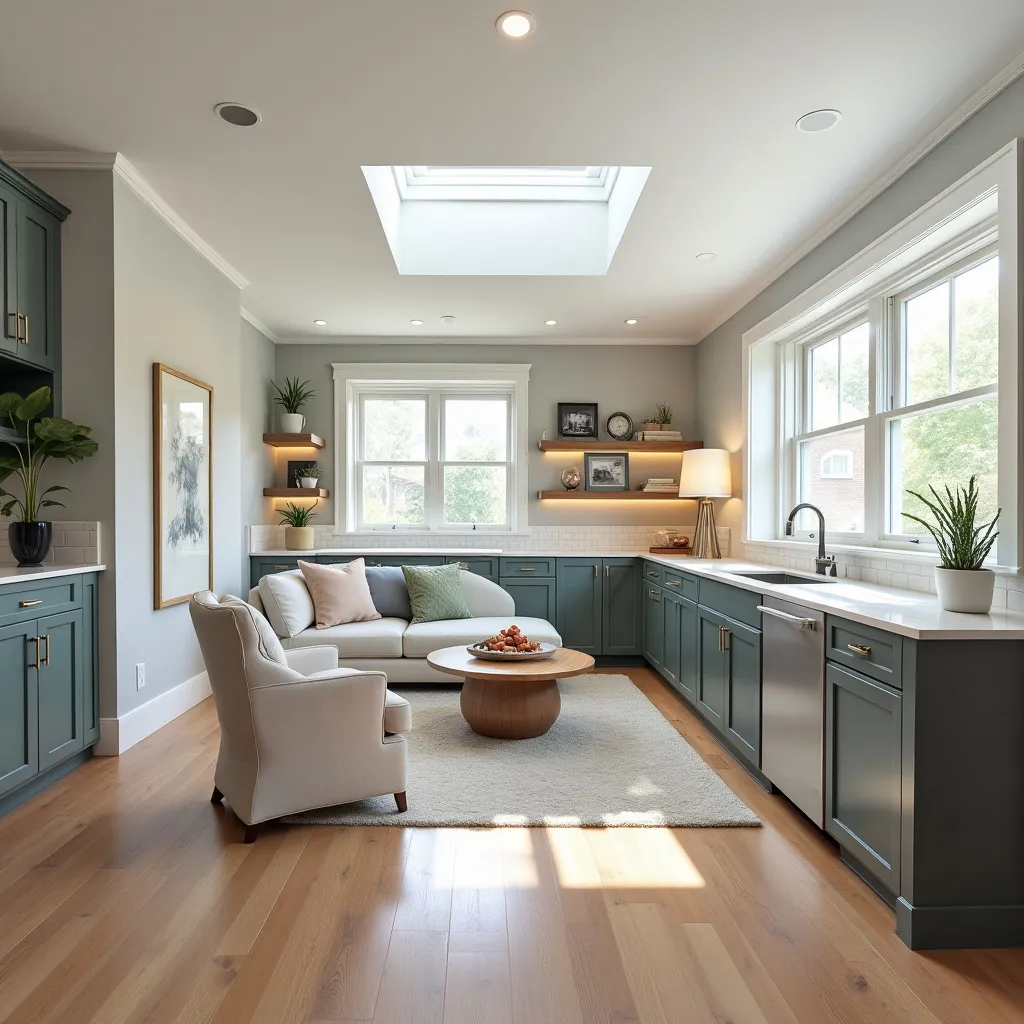
What Do You Want to Achieve With Your Home Remodeling?
What goals does one have in mind when undertaking a home renovation job? People often aim to enhance functionality, improve aesthetics, or raise property value. Some may seek a more open layout to promote social interactions, while others aim to build a serene retreat within their home. Specific objectives can include modernizing outdated spaces, incorporating energy-efficient elements, or expanding living areas to accommodate growing families.
Furthermore, a property owner might want to customize their space to reflect their aesthetic and preferences, making it a true expression of themselves. Security and accessibility can also be significant considerations, particularly for those with aging family members or disabilities. In the end, the objectives of a remodeling project serve as the foundation for making decisions, guiding choices in design, finishes, and overall implementation. Understanding these aspirations is crucial for achieving a successful transformation that meets both functional requirements and personal desires.
How to Budget for Your Home Remodeling Project
Budgeting for a home renovation project requires careful preparation and thought. It is essential to establish an total budget, prioritize essential improvements, and allow for unexpected costs that may arise. By approaching the budgeting process methodically, homeowners can achieve their goals without financial strain.
Set Your Aggregate Budget
Before commencing a home renovation project, it is vital to set an complete budget that reflects both financial constraints and renovation goals. Property owners should commence by examining their finances to determine how much they can sensibly allocate for the project. This involves assessing savings, income, and potential financing options. It is also advisable to incorporate unexpected expenses, typically 10-20% of the total budget, to handle unforeseen issues that may emerge during renovation. Additionally, property owners should explore the costs connected to various materials and labor in their area, supporting informed decisions. By formulating a clear budget, property owners can maintain focus on their renovation goals and circumvent the stress of overspending.
Emphasize Essential Upgrades
With a spending plan firmly set, homeowners can now concentrate on identifying which improvements will provide the most benefit and functionality to their space. To prioritize key upgrades, homeowners must evaluate areas needing immediate repair, like outdated plumbing or electrical systems, which may pose safety hazards. Since kitchen and bathroom renovations often provide great returns on investment, it is prudent to allocate funds for modernizing these sections of the home. Additionally, enhancing energy efficiency through windows, insulation, or appliances can reduce long-term costs. Lifestyle needs should also be considered by homeowners, such as providing open areas for family gatherings or designated workspaces. Through careful selection of upgrades that meet both current needs and future goals, homeowners can enhance their remodeling effectiveness while adhering to their budget.
Prepare For Surprise Monetary Expenses
Preparing for unexpected costs is crucial for property owners undertaking a renovation project. Financial plans can rapidly grow tight when unexpected problems happen, including structural problems, outdated wiring, or concealed moisture issues. Experts recommend setting aside an extra 10 to 20 % of the overall budget to cover these contingency expenses. Homeowners should also think about possible cost variations in materials and labor. Researching local contractors and obtaining multiple estimates can provide a clearer picture of anticipated costs. Additionally, maintaining open communication with contractors throughout the process enables you to catch and fix problems quickly. By strategically planning for these unexpected costs, homeowners can make sure that their remodeling project remains on schedule, ultimately transforming their home without budget stress.
Which Interior Options Are Best For Your Home Renovation?
Throughout the world of home remodeling, aesthetic preferences serve as an indispensable element in forming the overall aesthetic. Homeowners can decide on from a spectrum of options, comprising modern minimalist aesthetics, cozy rustic charm, and elegant traditional touches. Each design choice lends its own special character, impacting both the atmosphere and function of the space.
Current Minimalist Aesthetic Approach
Modern minimalist aesthetics offer an invigorating approach to home remodeling, marked by simplicity and functionality. This style highlights open spaces, clean lines, and a limited selection of colors, frequently incorporating neutral tones that create a sense of calm. Furnishings and accessories are purposefully chosen, yielding a uncluttered setting that enhances overall equilibrium. Organic elements, such as wood and stone, frequently function as an important role, lending warmth while preserving a refined aesthetic. Lighting is carefully designed, frequently utilizing sizeable glass openings to maximize natural light. In a contemporary minimalist home, every element serves a purpose, adding to a cohesive aesthetic that demonstrates the homeowner's commitment to clarity and productivity. This design encourages tranquility, making it ideal for modern everyday life.
Inviting Rustic Charm
Embracing the core of warmth and ease, cozy rustic charm is a popular choice for homeowners seeking a more inviting atmosphere. This decor approach often incorporates natural materials, such as reclaimed wood, stone, and soft textiles, creating an organic feel. Earthy color palettes—think warm browns, soft greens, and muted reds—enhance the bond to nature.
Key components feature uncovered wooden supports, large furniture pieces, and classic embellishments, which generate a nostalgic atmosphere. Fireplaces function as key features, assembling families together in a relaxed environment. Additionally, combining modern amenities with rustic elements facilitates operation without compromising charm. Overall, cozy rustic charm reshapes spaces into tranquil retreats, making it an compelling choice for those intending to imbue their homes with soul and coziness.
Graceful Time-honored Flourishes
While many homeowners pursue comfort through country designs, others appreciate beauty in the refined elegance of traditional styles. This design method emphasizes timeless elements such check this as ornate moldings, vintage furniture, and rich color palettes. Traditional spaces often display symmetrical layouts and orderly setups, offering a sense of structure and elegance. Incorporating heritage or classic pieces can enhance authenticity, while luxurious fabrics like silk and velvet add depth and texture. Architectural elements, such as decorative ceilings and wainscoting, contribute to an overall sense of grandeur. Homeowners embracing this style often choose comfortable, pleasant spaces that express their heritage or personal history, making traditional design a lasting choice for those wishing to evoke a sense of refinement in their remodeled homes.
Guidance on Choosing the Ideal Professionals for Your Home Remodeling?
Picking the right contractors for home remodeling can substantially affect the success of a job. Homeowners should start by researching local contractors and checking their credentials, including certifications and protection. Reading internet ratings and obtaining recommendations from friends or family can deliver helpful information into a contractor's credibility.
It's critical to speak with multiple candidates next to assess their communication abilities and professionalism. Homeowners must seek detailed estimates and timelines to ensure transparency. A reputable contractor should be happy to answer questions and supply a thorough grasp of the project scope.
Additionally, examining completed undertakings or portfolios can help homeowners assess a contractor's style and quality of work. Finally, faith and mutual understanding are important; a contractor's temperament and cooperation to team up can greatly influence the renovation experience. By adopting these practices, homeowners can render sound decisions that harmonize with their vision for their dream home.
What Are Essential Tips for a Successful Home Renovation?
How can property owners ensure a successful home remodeling project? Initially, establishing a clear vision is fundamental. Homeowners should outline their objectives and preferences, ensuring all stakeholders understand the desired outcome. Next, setting a practical budget helps mitigate unexpected costs. It is crucial to incorporate a reserve fund for unforeseen complications.
Effective communication with builders is vital; homeowners must convey their requirements explicitly. Regular communications and property visits can facilitate this interaction. Additionally, researching materials and styles will enable house owners to make informed choices, balancing aesthetics and functionality.
In conclusion, obtaining required approvals guarantees adherence to local regulations, steering clear of future setbacks. By following these suggestions, homeowners can handle the complexities of renovation, ultimately transforming their space into a perfect residence.
Methods for Protect Your Recently Renovated Home in Top Shape?
Once investing time and resources into a home remodel, homeowners must prioritize ongoing maintenance to keep their recently revamped space. Consistent cleaning is imperative; using appropriate products for assorted materials will prevent wear and tear. For instance, hardwood floors require particular products that protect the finish, while countertops may need specialized care to avoid stains.
Moreover, property owners should carry out seasonal inspections to resolve any issues early. This involves checking for leaks, maintaining HVAC systems, and making sure outdoor drainage is operating properly. Consistent maintenance of appliances and fixtures will also increase their lifespan.
Furthermore, it is beneficial to set up a maintenance schedule that covers tasks like repainting or applying sealant to surfaces as needed. By committing effort to these tasks, homeowners can sustain the beauty and usability of their remodeled spaces, ultimately boosting their property’s value and comfort for many years forward.
Consistently Questioned FAQs
How Much Time Does a Average Home Remodeling Project Usually Take?
A regular home remodeling task can span anywhere from a few weeks to several months, determined by the scope, difficulty, and dimension of the remodeling. Each assignment varies based on unique specifications and unforeseen challenges.
What Licenses Are Essential for Home Remodeling?
Generally, permits needed for home remodeling consist of building, electrical, plumbing, and mechanical permits. Local regulations may differ, so it's vital for homeowners to reach out to their municipality to verify conformity with all required standards and guidelines.
What Methods Can Help Me to Minimize Disruptions Throughout Remodeling?
To curtail disturbances during remodeling, one can forge clear communication with contractors, set specific work hours, designate a separate living area, and keep a tidy workspace. Planning ahead helps confirm a smoother remodeling process.
Which Typical Errors Should Homeowners Avoid When Renovating?
Common missteps to prevent in remodeling involve underestimating financial allocations, overlooking regulatory requirements, skipping thorough planning, choosing the wrong products, disregarding project schedules, and failing to engage in effective communication with contractors, which can cause costly setbacks and poor outcomes.
What Approaches Can Help Me Handle Unexpected Expenses During Remodeling?
To address unforeseen expenses during renovation, one should create a contingency fund, discuss freely with builders, focus on essential improvements, and remain adaptable in decision-making. This strategy assists with managing budgets and minimizes anxiety throughout the project.